

Housekeeping is often considered a routine part of everyday life. Sweeping floors, washing dishes, organizing rooms, and wiping surfaces are tasks that many households perform daily without thinking about their deeper impact.
However, scientific research increasingly shows that regular housekeeping and home organization play a much larger role than simply making a home look tidy. Maintaining clean and organized living spaces helps improve indoor air quality, reduce allergens and bacteria, support mental well-being, and create healthier environments for families.
Understanding the science behind housekeeping can change the way we think about cleaning. It reveals that keeping a home clean and organized is not just about appearance. It is about protecting health, improving comfort, and supporting daily life.
For households in urban environments such as Beirut—where dust, humidity, and pollution are common—regular housekeeping routines become even more important.
What Is Housekeeping?
Housekeeping refers to the regular maintenance and cleaning of living spaces in order to maintain hygiene, organization, and comfort.
Housekeeping typically includes tasks such as:
- cleaning floors and surfaces
- washing dishes and maintaining kitchens
- cleaning bathrooms
- organizing rooms and storage areas
- removing dust and allergens
- maintaining household order
When performed consistently, these tasks prevent the accumulation of dust, bacteria, and clutter that can negatively affect indoor environments.
Regular housekeeping also makes homes easier to manage. Instead of large cleaning projects that take hours or days, small routine tasks keep spaces functional and manageable.
Why Clean Homes Matter for Health
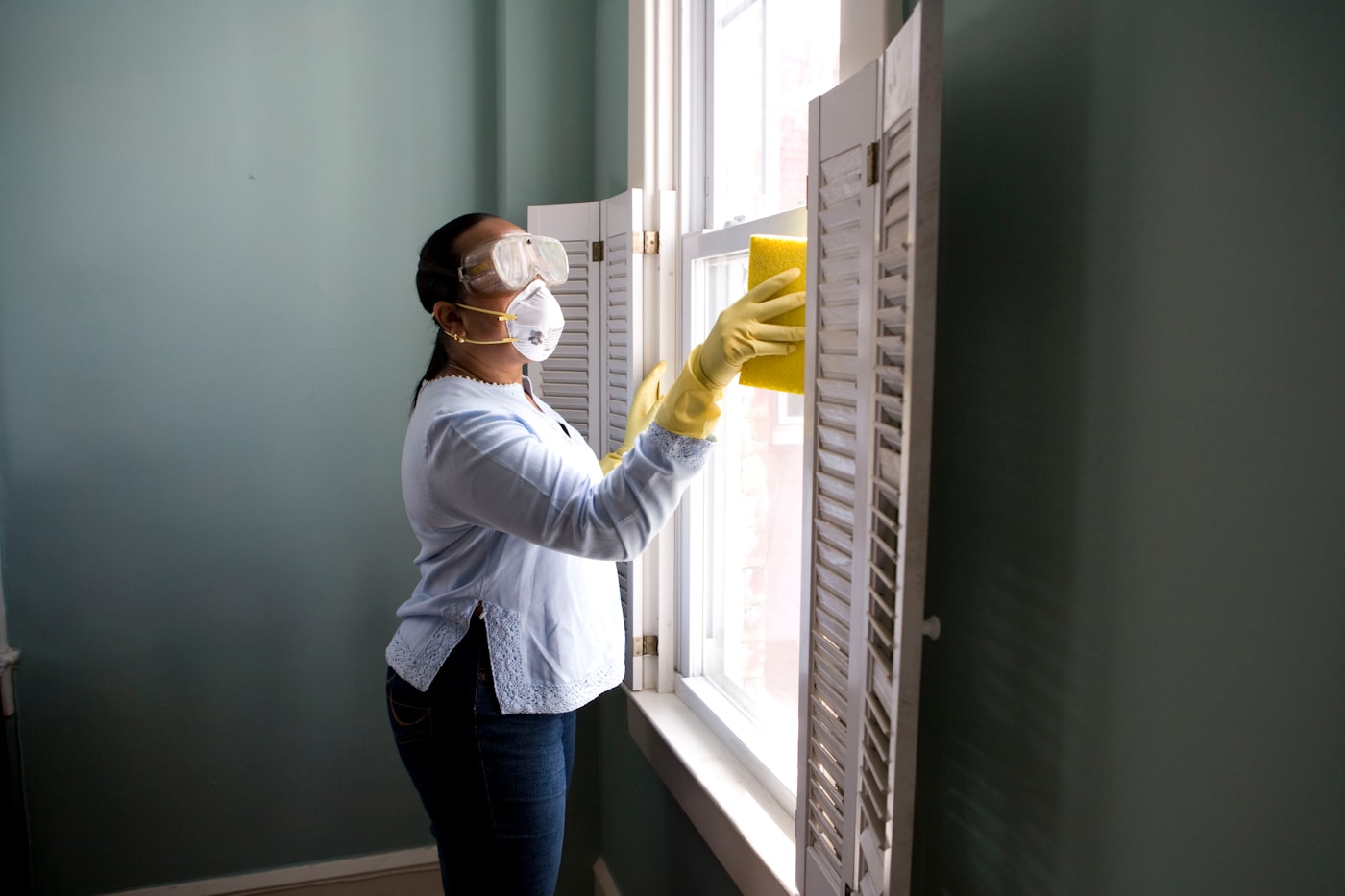
Environmental health research shows that the quality of indoor environments directly affects human health.
Most people spend the majority of their lives inside buildings. Studies show that people spend about 90 percent of their time indoors, making indoor environments one of the most important factors influencing health and well-being. (US EPA)
Indoor environments can contain a variety of pollutants and contaminants such as:
- dust particles
- pollen
- pet dander
- mold spores
- bacteria and microorganisms
Research also shows that indoor pollutant levels can be two to five times higher than outdoor levels, especially when ventilation is limited or when dust accumulates inside homes. (US EPA)
Without regular cleaning, these contaminants build up on surfaces, carpets, furniture, and bedding.
Over time they can circulate through the air and affect respiratory comfort and overall health.
Regular housekeeping helps remove these pollutants before they accumulate.
Dust, Allergens, and Household Health

Dust is one of the most common contaminants found inside homes.
While it may appear harmless, dust is actually composed of many microscopic materials including:
- dead skin cells
- textile fibers
- soil particles
- pollen
- microorganisms
One of the most important components of household dust is the dust mite.
Dust mites are microscopic organisms that live in carpets, bedding, and upholstered furniture.
Scientific studies show that dust mite allergens can significantly increase the risk of asthma and allergic reactions in sensitive individuals. (IAQ Science)
When dust accumulates inside homes, these allergens increase.
However, research shows that regular cleaning and decluttering significantly reduces dust mite exposure and allergen levels inside homes. (MDPI)
Regular housekeeping therefore plays an important role in protecting respiratory health.
How Cleaning Improves Indoor Air Quality
Indoor air quality is one of the most important environmental factors affecting comfort and health inside homes.
Airborne particles originate from many sources, including:
- dust and soil tracked indoors
- cooking fumes
- fabrics and carpets
- outdoor pollution entering through windows
Once these particles settle on floors and furniture, they can be released into the air again through daily activities such as walking, moving furniture, or opening windows.
Cleaning routines such as vacuuming and dusting help remove these particles before they circulate through indoor air.
Research confirms that frequent cleaning and vacuuming significantly reduce dust mite allergen concentrations in indoor environments. (ScienceDirect)
The American Lung Association also recommends regular dusting and cleaning to improve indoor air quality and reduce airborne particles. (American Lung Association)
Together, these practices help maintain a healthier indoor atmosphere.
The Role of Moisture Control and Mold Prevention

Moisture is another important factor affecting indoor environments.
High humidity levels create conditions that allow mold and bacteria to grow on surfaces such as walls, ceilings, and bathroom tiles.
Environmental experts recommend maintaining indoor humidity between 30 percent and 60 percent to control mold growth and dust mite populations. (US EPA)
Regular housekeeping helps control moisture by:
- cleaning wet areas
- removing mold growth
- ventilating bathrooms and kitchens
- maintaining dry surfaces
When these practices are followed, the risk of mold contamination inside homes decreases significantly.
The Psychological Benefits of Organized Homes

The benefits of housekeeping extend beyond physical health.
Clean and organized environments also influence psychological well-being.
Cluttered environments can create visual stress and make it difficult for individuals to concentrate.
Organized homes, on the other hand, provide a sense of control and calmness.
When spaces are clean and items are stored properly, daily activities become easier.
Cooking, working, studying, and relaxing all become more comfortable when homes are orderly and functional.
This is one reason why many people report feeling more relaxed and productive after cleaning or organizing their living spaces.
Organization: The Hidden Key to Efficient Homes
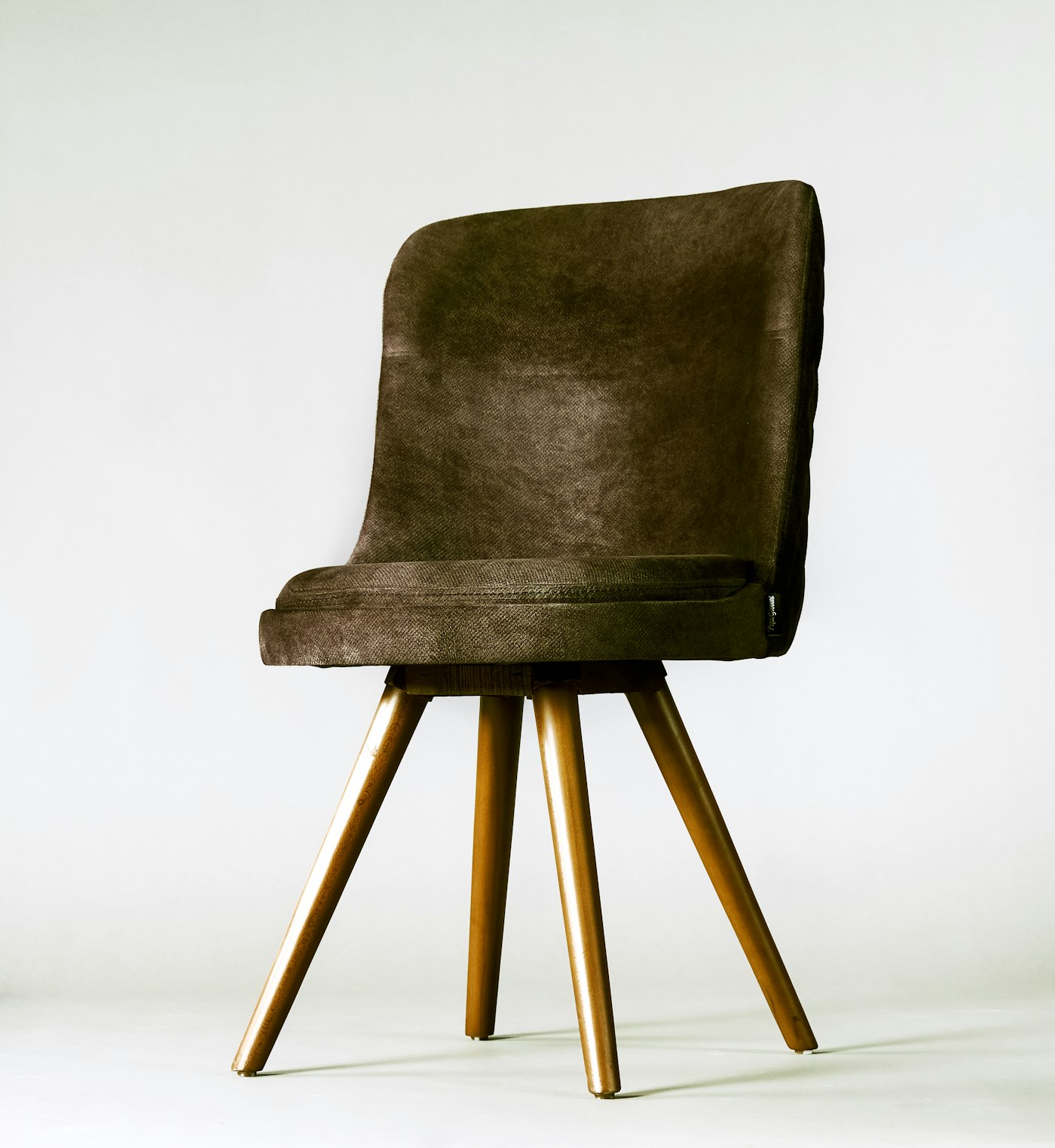
Cleaning removes dirt, but organization prevents clutter from returning.
Home organization systems help households manage items effectively by assigning storage spaces for everyday objects.
Simple strategies include:
- using storage baskets
- installing shelves and cabinets
- organizing closets by category
- keeping frequently used items accessible
These systems make homes easier to maintain because objects are easier to find and return after use.
In smaller urban apartments—common in many cities—organization becomes even more important.
Effective storage solutions help maximize available space and reduce clutter.
Why Regular Housekeeping Works Better Than Occasional Cleaning

Many households wait until messes become noticeable before cleaning.
However, consistent housekeeping is far more effective.
Frequent cleaning removes contaminants before they accumulate.
This prevents:
- allergen buildup
- bacterial growth
- indoor air pollution
When cleaning is delayed for long periods, larger amounts of dust and dirt accumulate, making cleaning more difficult and time-consuming.
By contrast, small routine cleaning tasks maintain cleanliness with minimal effort.
Professional Housekeeping Services

Many families today balance busy work schedules, school activities, and household responsibilities.
As a result, professional housekeeping services have become increasingly common.
Professional housekeeping typically includes:
- dusting furniture and surfaces
- cleaning floors and carpets
- sanitizing kitchens and bathrooms
- organizing rooms and storage areas
These services support regular cleaning routines and help maintain healthy living environments.
In cities like Beirut, some households choose scheduled housekeeping services once or several times per week to maintain consistent cleanliness.
Creating a Healthy and Functional Home

A clean and organized home is not about perfection.
Instead, it is about creating a living environment that supports daily life.
Scientific research clearly shows that maintaining clean indoor environments helps:
- reduce allergens and dust
- improve indoor air quality
- prevent mold growth
- reduce stress caused by clutter
Together, housekeeping and organization transform homes into spaces that support health, comfort, and productivity.
In modern urban environments, maintaining such spaces requires consistent routines and thoughtful organization.
Whether through personal habits or professional housekeeping assistance, maintaining a clean home remains one of the most effective ways to support a healthy lifestyle.
Frequently Asked Questions About Housekeeping
How often should a house be cleaned?
Most experts recommend basic housekeeping at least once per week. High-traffic areas such as kitchens and bathrooms may require more frequent cleaning.
Does housekeeping improve health?
Yes. Cleaning removes dust mites, allergens, and bacteria that can trigger respiratory problems and allergies.
What is the difference between housekeeping and deep cleaning?
Housekeeping involves regular maintenance cleaning, while deep cleaning removes accumulated dirt from hidden areas such as behind furniture or inside appliances.

 Beirut Clean
Leave a comment