
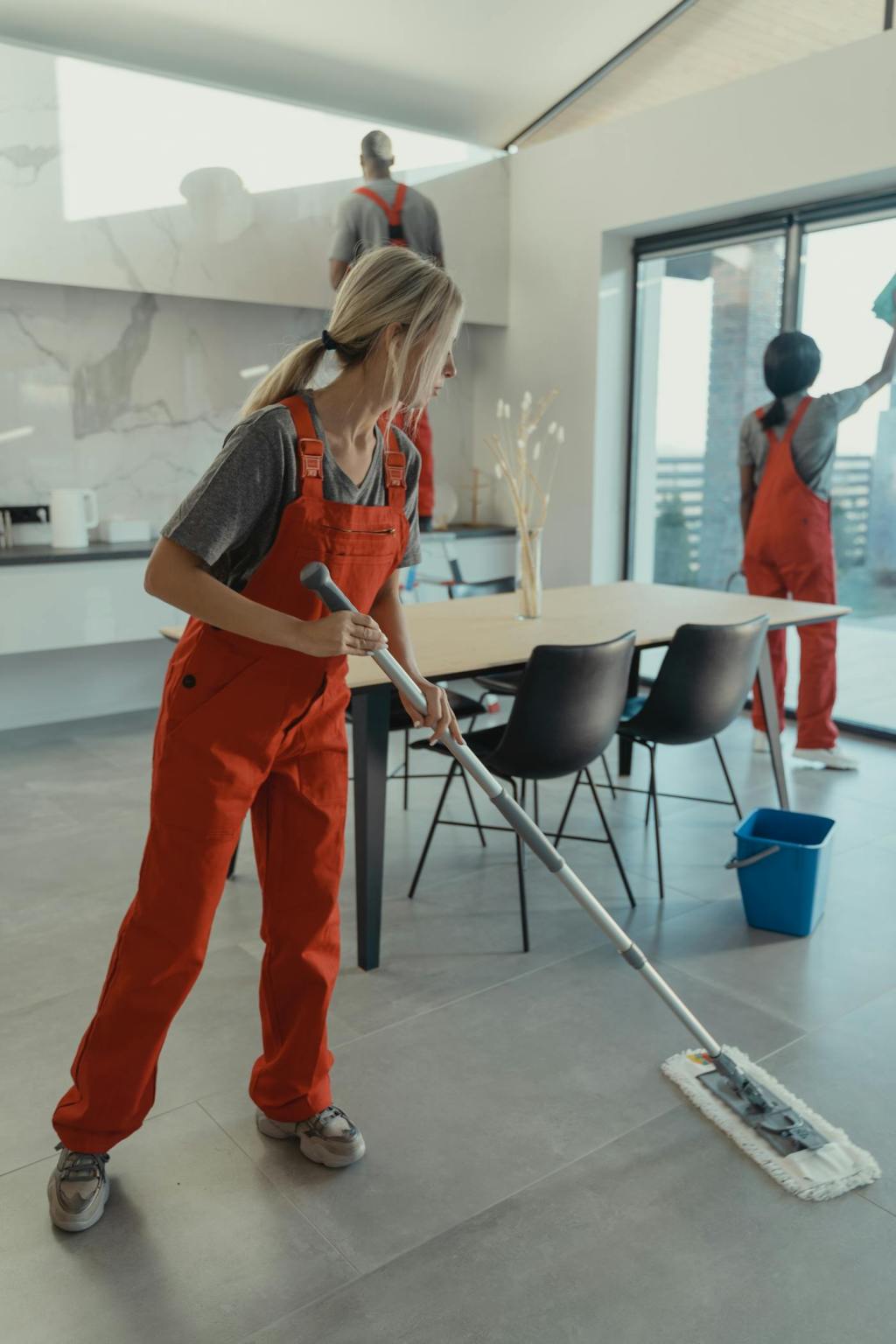
Deep cleaning is one of the most effective ways to maintain a healthy indoor environment. While regular housekeeping removes visible dirt and maintains daily order, deep cleaning goes further by addressing hidden contaminants that accumulate over time in homes, offices, and commercial spaces.
Dust, allergens, bacteria, and pollutants often settle in areas that are rarely cleaned during routine housekeeping. These include places such as behind furniture, inside carpets, on upholstery, under appliances, and inside ventilation areas. Over time, these hidden contaminants can affect indoor air quality, contribute to allergies, and create unhealthy living environments.
Scientific research confirms that indoor environments can accumulate significant amounts of dust and allergens if cleaning is not thorough. Dust mites—microscopic organisms that thrive in household dust—are among the most common indoor triggers of allergies and asthma. Their body fragments and droppings can become airborne and irritate the respiratory system. (American Lung Association)
Deep cleaning helps remove these accumulated contaminants and restore a healthier environment.
What Is Deep Cleaning?
Deep cleaning is a comprehensive cleaning process that targets hidden dirt, dust, and contaminants that routine cleaning often misses.
Unlike daily housekeeping, which focuses on visible surfaces and quick maintenance, deep cleaning involves detailed attention to all parts of a home or building.
Typical deep cleaning tasks include:
- cleaning behind and under furniture
- washing walls and baseboards
- deep cleaning carpets and upholstery
- disinfecting kitchens and bathrooms
- cleaning windows, frames, and blinds
- removing dust from ceiling fans and vents
- sanitizing high-touch surfaces
This process effectively resets a space, eliminating accumulated dirt and improving the overall hygiene of the environment.
Why Deep Cleaning Is Scientifically Important
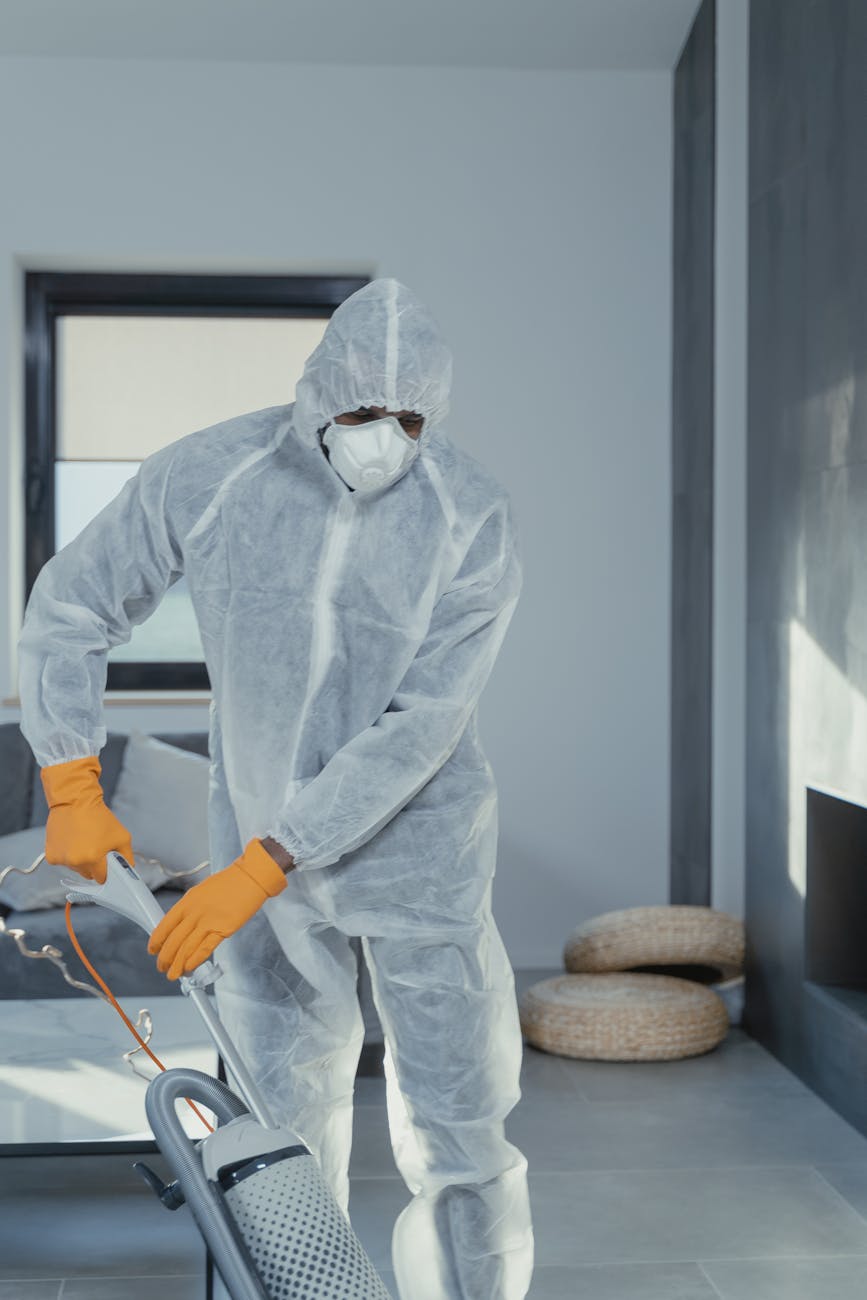
The importance of deep cleaning is supported by scientific research on indoor environments.
Dust inside homes contains a complex mixture of materials, including:
- skin flakes
- textile fibers
- soil particles
- bacteria and microbes
- pollen
- dust mite allergens
An average person sheds about 1.5 grams of skin cells each day, which is enough to feed millions of dust mites in indoor environments. (American Lung Association)
Over time, these particles accumulate in carpets, upholstery, bedding, and corners that are rarely cleaned.
Research has shown that comprehensive cleaning programs significantly reduce airborne dust, bacteria, and pollutants inside buildings. (rti.org)
By removing these contaminants, deep cleaning contributes to healthier indoor environments.
The Hidden Health Impact of Dust and Allergens

Dust is not simply a cosmetic issue. It can have real health consequences.
Dust mites and other allergens accumulate in fabrics, carpets, and bedding. These allergens can trigger respiratory problems, particularly for individuals with asthma or allergies.
Scientific studies show that intensive cleaning techniques such as vacuuming and steam cleaning significantly reduce dust mite allergen concentrations in furniture and carpets. (PMC)
Another study found that regular vacuum cleaning can reduce dust mite allergens and total dust levels dramatically over time. (PMC)
Removing these allergens improves indoor air quality and can reduce symptoms such as:
- sneezing
- nasal congestion
- eye irritation
- coughing
- breathing difficulties
Deep cleaning therefore plays an important role in protecting respiratory health.
Indoor Air Quality and Deep Cleaning

Indoor air quality is a critical factor affecting health.
Most people spend the majority of their time indoors, which means the quality of indoor environments directly influences daily well-being.
Pollutants that accumulate inside buildings include:
- dust particles
- pollen
- mold spores
- bacteria
- pet dander
Cleaning activities that remove these particles can improve indoor air quality.
Studies show that improved cleaning practices can significantly reduce airborne dust and microbial contamination in indoor environments. (rti.org)
Deep cleaning removes the sources of these pollutants rather than simply redistributing them.
Where Dirt and Contaminants Hide in Homes

Many areas of a home accumulate dirt because they are rarely cleaned.
Common hidden contamination zones include:
- behind sofas and cabinets
- under refrigerators and ovens
- mattress surfaces
- carpets and rugs
- ventilation grills
- curtain fabrics
- window tracks
These areas can collect dust for months or even years.
Deep cleaning focuses specifically on these hidden areas.
By addressing these locations, the overall cleanliness of the environment improves significantly.
Deep Cleaning the Kitchen

Kitchens are among the most important areas to deep clean.
Food preparation surfaces, sinks, appliances, and storage areas can accumulate grease, food residue, and bacteria.
Deep kitchen cleaning typically includes:
- cleaning inside refrigerators and ovens
- removing grease buildup from stovetops
- disinfecting countertops and sinks
- cleaning cabinets and drawers
- sanitizing handles and switches
These tasks help maintain hygiene and reduce the risk of food contamination.
Deep Cleaning Bathrooms

Bathrooms are high-moisture environments where bacteria and mold can grow.
Deep cleaning bathrooms involves:
- scrubbing tiles and grout
- disinfecting toilets and sinks
- cleaning shower doors and curtains
- removing soap residue
- sanitizing high-touch surfaces
Regular deep cleaning prevents mold growth and keeps bathrooms hygienic.
Deep Cleaning Carpets and Upholstery

Carpets and upholstered furniture are among the largest reservoirs of indoor dust and allergens.
Research shows that carpets often contain higher concentrations of dust mite allergens than hard floors. (PMC)
Deep cleaning methods such as steam cleaning and hot water extraction penetrate deep into fibers and remove contaminants that normal vacuuming cannot reach.
These methods help eliminate:
- dust mites
- bacteria
- pollen
- pet dander
This significantly improves indoor hygiene.
Deep Cleaning and Mental Well-Being
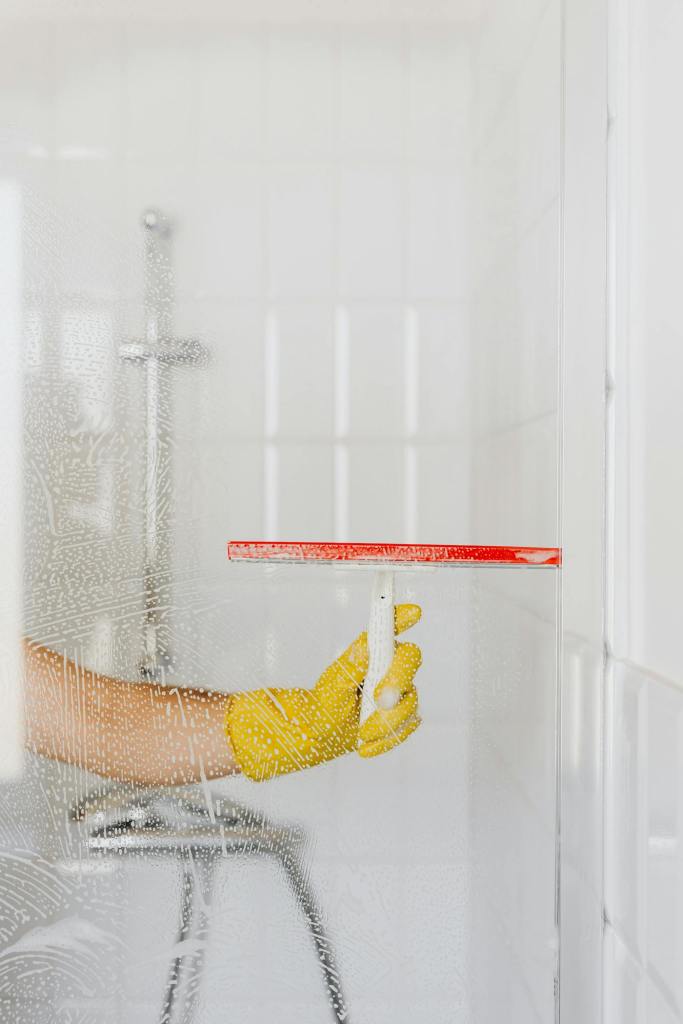
Clean environments influence psychological well-being.
Cluttered and dirty spaces can create visual stress and reduce comfort.
Deep cleaning restores order and cleanliness, which can improve mood and productivity.
When homes are clean and organized, daily activities such as cooking, relaxing, or working become easier and more enjoyable.
How Often Should Deep Cleaning Be Done?
The frequency of deep cleaning depends on several factors:
- size of the home
- number of occupants
- presence of pets
- local dust levels
- indoor humidity
In general, many households perform deep cleaning every three to six months.
Homes with pets or allergies may require more frequent cleaning.
Practical Deep Cleaning Solutions
Maintaining a clean environment requires consistent strategies.
Effective solutions include:
1. Vacuum Frequently
Vacuuming carpets and furniture removes dust before it accumulates.
Weekly vacuuming helps reduce allergens in indoor environments.
2. Use Damp Dusting
Damp cloths capture dust rather than spreading it into the air.
3. Wash Fabrics Regularly
Curtains, bedding, and upholstery should be washed periodically to remove allergens.
4. Improve Ventilation
Opening windows and improving airflow helps remove indoor pollutants.
5. Schedule Periodic Deep Cleaning
Periodic deep cleaning ensures that hidden areas remain clean and hygienic.
Why Professional Deep Cleaning Services Are Sometimes Necessary
Large homes, offices, and commercial spaces often require professional cleaning equipment to achieve effective results.
Professional cleaning services use specialized tools such as:
- industrial vacuum systems
- steam cleaning machines
- hot water extraction equipment
These tools remove contaminants more effectively than standard household cleaning methods.
The Long-Term Benefits of Deep Cleaning
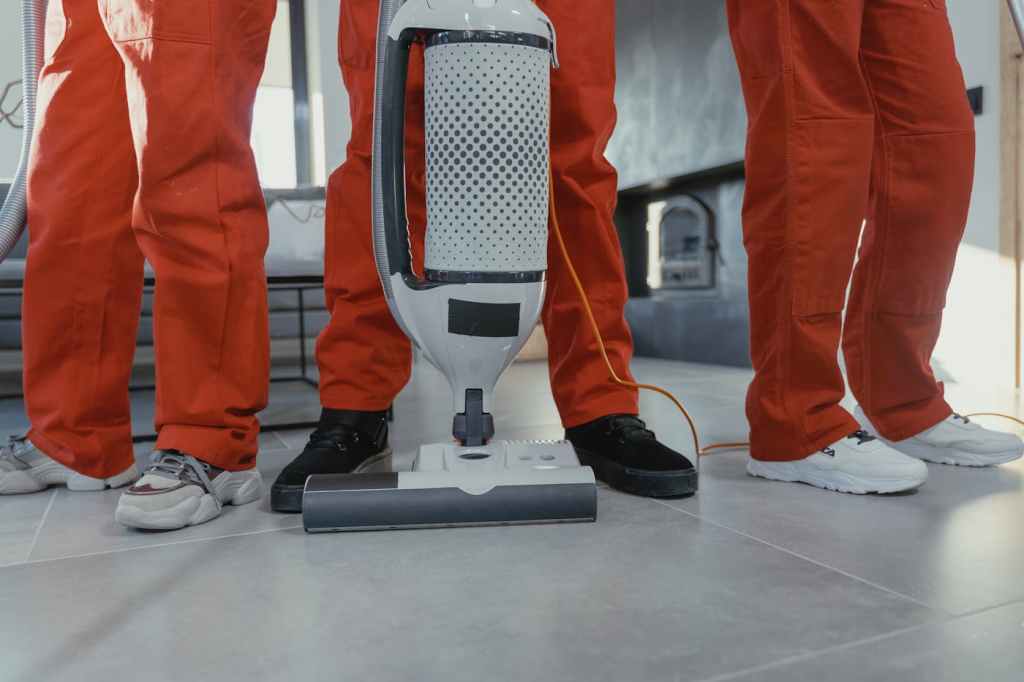
Regular deep cleaning offers many long-term benefits.
These include:
- healthier indoor environments
- improved air quality
- reduced allergens
- extended lifespan of furniture and surfaces
- improved comfort and cleanliness
Deep cleaning helps maintain a safe and pleasant environment for families, employees, and visitors.
Frequently Asked Questions About Deep Cleaning
What is deep cleaning?
Deep cleaning is a thorough cleaning process that removes hidden dirt, allergens, and bacteria from areas not typically cleaned during routine housekeeping.
Why is deep cleaning important?
Deep cleaning removes dust mites, allergens, and pollutants that accumulate in carpets, furniture, and hidden areas, improving indoor air quality and hygiene.
How often should a home be deep cleaned?
Most homes benefit from deep cleaning every three to six months, depending on usage and environmental factors.
Does deep cleaning improve health?
Yes. Removing allergens and dust can reduce respiratory irritation and improve indoor air quality.

 Beirut Clean
Leave a comment