
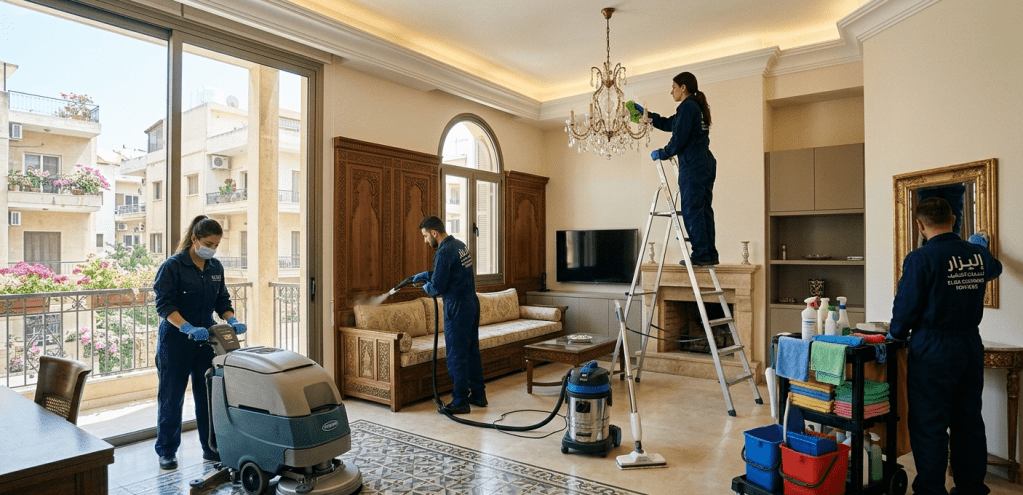
Deep cleaning is not simply about making a home look clean. Scientific research shows that proper cleaning inside homes plays a major role in protecting health, improving indoor air quality, and reducing exposure to bacteria, allergens, and harmful pollutants.
Today, environmental health experts emphasize that the indoor environment is one of the most important factors affecting human health. Many people spend most of their time indoors—often more than two-thirds of their daily life—inside homes, offices, or schools. Because of this, the quality of indoor air and the cleanliness of surfaces have a direct impact on respiratory health, allergies, and overall well-being.
This is why deep cleaning homes is increasingly recommended by public health institutions and environmental researchers. A professional deep cleaning removes accumulated dust, microorganisms, mold spores, and pollutants that regular cleaning cannot reach.
For homeowners searching for deep cleaning services, understanding the scientific benefits of deep cleaning helps explain why it is an essential part of maintaining a healthy living environment.
Indoor Air Quality and the Role of Deep Cleaning
Indoor air quality is one of the most important environmental health concerns worldwide. Dust, pollen, mold spores, and bacteria accumulate inside homes over time, especially in carpets, furniture, curtains, and hidden corners.
Scientific research shows that cleaning can significantly improve indoor air quality by reducing airborne pollutants. Studies monitoring indoor environments have found that improved cleaning practices reduce airborne dust particles, volatile organic compounds, bacteria, and fungi inside buildings. (rti.org)
These particles are not only unpleasant—they can also affect breathing and long-term health. Poor indoor air quality has been associated with respiratory problems, allergies, and reduced overall comfort inside buildings.
By removing dust and contaminants from surfaces, floors, and furniture, deep cleaning reduces the sources of indoor pollution and helps maintain healthier air inside homes.
Dust, Allergens, and Respiratory Health
One of the main reasons deep cleaning is important is the accumulation of allergens inside homes. Dust mites, pet dander, pollen, and microscopic particles settle inside carpets, mattresses, and upholstery.
Regular cleaning activities such as vacuuming and dust removal can reduce these allergens and improve respiratory health. Environmental hygiene practices are widely recognized as one of the most effective ways to reduce household infections and exposure to allergens. (PMC)
Dust mites are particularly important. These microscopic organisms live in bedding, furniture, and fabrics and are one of the most common triggers of asthma and allergies. Proper cleaning and removal of dust significantly reduce their population, which helps reduce allergy symptoms and improve breathing comfort.
Deep cleaning is especially important for households with children, elderly residents, or people who suffer from asthma or respiratory conditions.
Removing Bacteria and Germs from Household Surfaces
Another key scientific reason for deep cleaning is the removal of microorganisms from surfaces.
Public health guidelines explain that cleaning physically removes dirt, organic material, and many microorganisms from surfaces before disinfecting them. The mechanical action of scrubbing with detergents removes large numbers of bacteria and viruses from surfaces. (CDC)
In other words, disinfection products cannot work effectively if surfaces are not cleaned first.
Deep cleaning therefore plays a crucial role in maintaining hygiene inside homes. High-touch surfaces such as door handles, kitchen counters, light switches, and bathroom fixtures accumulate bacteria quickly. Without proper cleaning, these surfaces can contribute to the spread of infections within households.
For this reason, health authorities emphasize cleaning as the first step in controlling germs and maintaining a safe environment. (CDC)
Mold and Moisture: Hidden Risks Inside Homes
Another major concern in indoor environments is mold growth. Mold develops in areas with moisture and poor ventilation such as bathrooms, kitchens, basements, or behind furniture.
According to health agencies, if mold is visible or can be smelled inside a home, it should be removed immediately because mold spores can spread through the air and cause respiratory problems. (CDC)
Mold exposure has been linked to:
- Respiratory irritation
- Allergic reactions
- Asthma symptoms
- Chronic coughing
Deep cleaning helps remove mold contamination from surfaces and prevents it from spreading inside the house.
Controlling humidity and cleaning affected surfaces are essential steps in preventing mold growth and maintaining healthy indoor environments.
Bioaerosols and Microorganisms in Indoor Air
Homes contain microscopic biological particles known as bioaerosols. These particles include bacteria, fungal spores, viruses, pollen, and organic dust.
Bioaerosols can remain suspended in the air and may affect human health when inhaled. Scientific studies show that dust accumulation inside homes can become a source of microbial contamination, which may contribute to respiratory symptoms and allergic reactions. (Wikipedia)
Deep cleaning helps reduce these biological pollutants by removing dust reservoirs and cleaning surfaces where microorganisms accumulate.
This process significantly reduces the concentration of microbial particles circulating in indoor air.
The Role of Deep Cleaning in Post-Renovation or Post-Crisis Environments
Deep cleaning becomes even more important after construction, renovation, or environmental disturbances such as dust events or building damage.
During these situations, large amounts of fine dust particles settle on surfaces throughout the home. These particles can remain in carpets, upholstery, and ventilation systems long after the visible debris is removed.
Fine particulate matter is known to penetrate buildings easily and contribute to indoor air pollution. Scientific studies show that reducing these particles inside buildings can significantly lower exposure to harmful pollutants and improve public health outcomes. (ResearchGate)
Professional deep cleaning helps remove these particles and restore safe indoor conditions.
Improving Comfort and Quality of Life
Beyond the scientific health benefits, deep cleaning also improves comfort and psychological well-being.
Clean environments are associated with improved concentration, reduced stress, and higher levels of comfort in daily life. Maintaining clean living spaces also helps preserve furniture, flooring, and building materials.
A well-maintained home environment contributes to healthier living conditions and supports overall quality of life.
Why Professional Deep Cleaning Services Matter
While routine cleaning helps maintain daily hygiene, professional deep cleaning reaches areas that are often neglected during normal cleaning routines.
Professional cleaning services typically include:
- Cleaning behind furniture and appliances
- Deep cleaning kitchens and bathrooms
- Removing dust from walls, ceilings, and corners
- Washing floors thoroughly
- Cleaning windows and glass surfaces
- Removing accumulated dust from hidden areas
These services ensure that all parts of the home are properly cleaned and that contaminants are removed effectively.
Conclusion
Scientific research clearly shows that deep cleaning plays an important role in protecting health and improving indoor living environments.
By removing dust, allergens, bacteria, mold, and microscopic pollutants, deep cleaning significantly improves indoor air quality and reduces exposure to harmful contaminants. It also helps prevent respiratory problems, allergies, and the spread of infections inside households.
For homeowners searching for deep cleaning services, the scientific evidence supports one clear conclusion: maintaining a clean indoor environment is essential for health, safety, and comfort.
Deep cleaning is not just about appearance—it is a critical part of creating a healthier home.

 Beirut Clean
Leave a comment