
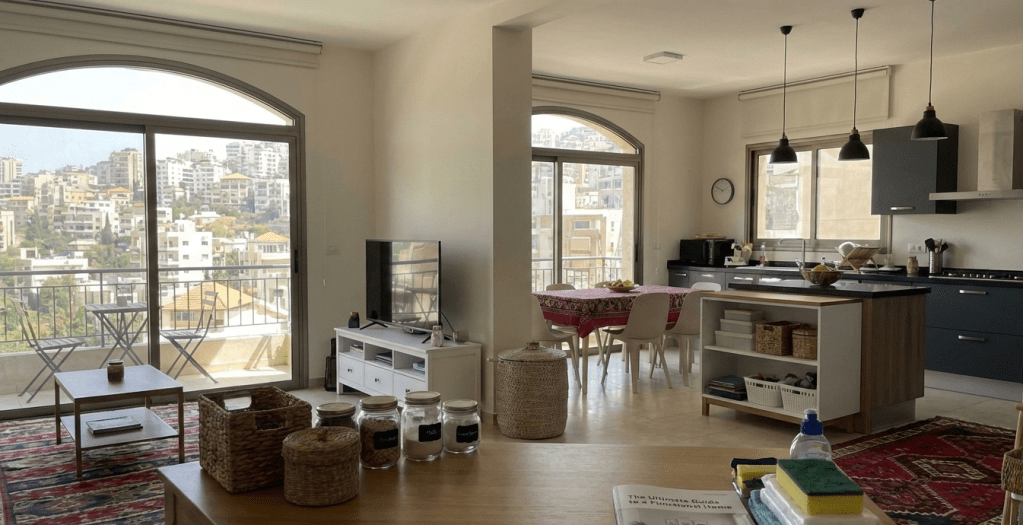
In the vibrant, fast-paced life of Lebanon—from the busy streets of Beirut to the serene hills of Mount Lebanon—our homes are more than just shelters; they are the heart of family gatherings, hospitality, and tradition. However, between work, family obligations, and the unique stresses of modern life, maintaining a perfectly tidy home can feel like an impossible task. If you feel like you are “drowning” in chores, it is time for a paradigm shift: your space exists to serve you; you do not exist to serve your space.
This comprehensive guide combines the compassionate philosophy of “Struggle Care” with professional organizational systems to help you reclaim your home.
1. Shifting the Perspective: Care Tasks are Morally Neutral
In many Lebanese communities, high standards for cleanliness are often tied to family dignity and social standing. However, it is essential to internalize that care tasks—like dishes, laundry, and sweeping—are morally neutral. Being “messy” is not a moral failure, and being “tidy” is not a virtue.
When you view cleaning through the lens of shame, you end up exhausted and paralyzed. Instead, view these tasks as “kindness to future you”. Resetting the kitchen at night isn’t about being a “good” person; it’s about ensuring that when you wake up to make your morning coffee, you have a functional space to do so.
2. The “Five Things” Tidying Method: Overcoming Overwhelm
When a room feels like a disaster, the brain often becomes paralyzed by the “sea of clutter”. To combat this, remember that there are actually only five things in any messy room:
- Trash: Gather it all in one bag, but do not take it out yet.
- Dishes: Collect them all and move them to the kitchen counter.
- Laundry: Put all clothes and shoes in a basket.
- Things that have a place: Return these items to their designated spots.
- Things that do not have a place: Pile these together to deal with once the space is clear.
This method provides your brain with “quick finish lines,” releasing dopamine and making the process feel achievable.
3. The Heart of the Home: Organizing Your Lebanese Kitchen
The kitchen is the center of Lebanese hospitality. To make it work for you, divide it into five functional zones: Cooking, Preparation, Cleaning, Storage, and Food.
- Zone Your Space: Keep spices, oils, and cooking utensils near the stove. Use a “Best Of” station on the counter for items you use daily, like olive oil, salt, and pepper.
- Vertical Storage: In smaller Beirut apartments, wall space is your best friend. Use magnetic strips for knives and wall-mounted racks for pots and pans to free up counter real estate.
- The 15-Minute Reset: End each day with a quick cleanup. Load the dishwasher, wipe the counters, and empty the trash to avoid “old food smells”.
- Green Cleaning: For a natural, budget-friendly cleaner, use baking soda and lemon to scrub sinks and remove rust stains from porcelain.
4. Living Room Harmony: From Catchall to Sanctuary
The living room is our primary shared space for lounging and entertaining. Because it serves so many purposes, it is a magnet for clutter.
- Corral with Baskets: Use baskets to store remotes, magazines, and extra blankets. If you have children, enforce a “no toys in the living room” rule, or use storage ottomans to hide toys quickly before guests arrive.
- Multi-Functional Furniture: In smaller living areas, choose furniture that does double duty, such as coffee tables with built-in cubbies or benches with hidden storage.
- “One In, One Out”: To prevent clutter from growing, commit to donating one old book or decorative item every time you purchase a new one.
5. Bedroom and Closet Mastery: Designing an Oasis
Your bedroom should be a place to recharge, not a source of stress.
- The “Family Closet” Concept: For busy parents, storing all family members’ clothes in one central location near the laundry area can save hours of walking between rooms.
- Stop Folding Everything: Not everything needs to be folded. Items like underwear, gym shorts, and pajamas can live happily in bins or baskets.
- Seasonal Sweeps: Lebanon’s climate requires a shift from summer to winter wardrobes. Store out-of-season clothes in flat plastic bins under the bed to maximize space.
- Lavender for Rest: Create a DIY linen spray with lavender essential oil to promote a restful night’s sleep.
6. Maintaining Momentum: Rhythms Over Routines
Rigid schedules often fail because life happens. Instead of a strict routine, find a rhythm.
- Closing Duties: These are small tasks that set the next “shift” of your life up for success. This might include packing lunches or prepped the coffee maker for the morning.
- Missing Days is Neutral: If you miss a day of cleaning, it is not a failure. Simply pick up the rhythm when you have the capacity again.
- The Power of Baskets: If a mess always accumulates in a specific spot—like a shoe pile by the door—don’t fight it. Put a basket there.
7. When You Need Extra Support: Outsourcing Care Tasks
There are seasons of life—postpartum, periods of high stress, or physical illness—where there are simply more tasks than there is energy. Outsourcing cleaning is morally neutral and a functional way to care for your mental health.
Hiring a professional service is not a luxury for “pretentious” people; it is as logical as taking your car to a mechanic for an oil change. It allows you to focus on your family, your work, and your well-being.
Why Choose Beirut Clean?
At Beirut Clean, we understand the unique needs of Lebanese households. We believe in providing more than just a cleaning service; we provide the functionality and peace of mind you deserve so you can enjoy the beauty of your home and the joy of your community.
Whether you need a deep seasonal reset or a regular maintenance rhythm, our team is dedicated to treating your home with the respect and care it deserves.
Take back your space today.
📞 WhatsApp us: +961 70 879233 🌐 Visit our website: www.beirutclean.com
Beirut Clean: Because your home should work for you.

 Beirut Clean
Leave a comment